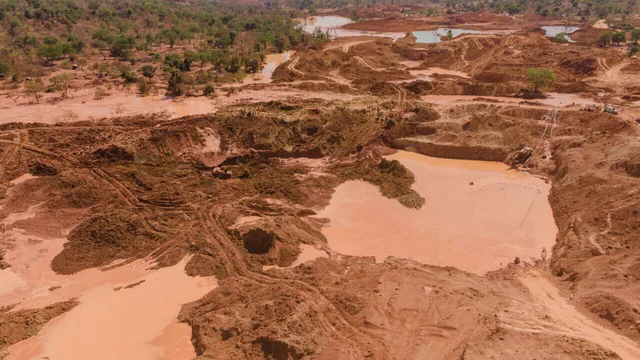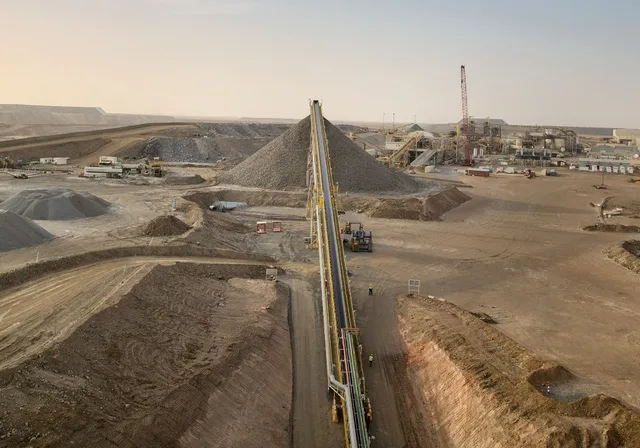
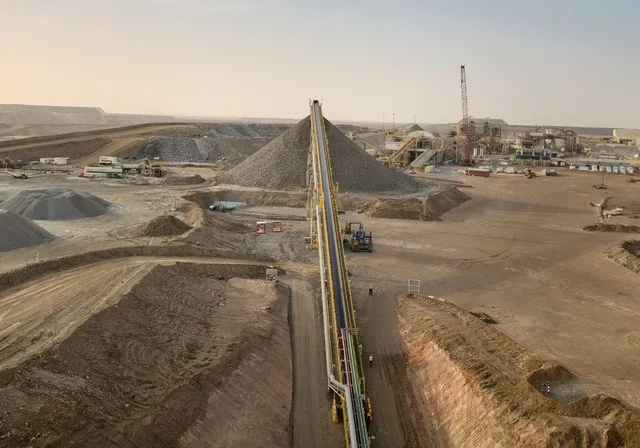
Madar (Nouakchott) - The Tasiast gold mine paid $266.1 million to the Mauritanian government in 2025 in royalties, taxes and fees, according to the latest report by Canadian owner Kinross, bringing its cumulative contributions since 2010 to more than $1.7 billion. The mine is back in focus amid a visit by the mines minister, demands from local officials and calls for closer scrutiny of its revenues.
What the numbers say
According to the report published in July 2026, Tasiast's payments to the government were $195.9 million in 2024, an increase of about 36% in 2025. The mine alone accounted for 37.1% of the state's mining revenues in 2024.
In 2025 the mine supported more than 1,700 direct local jobs and paid $140.1 million in gross wages; Mauritanians make up 97.9% of the workforce and more than 70% of management, and purchases from local suppliers reached $233.1 million, the report says. The plant processes 24,000 tonnes of ore a day, with a mine life expected to 2033 and reserves of about 4.4 million ounces of gold equivalent.
Government and local officials
The finance minister met a company delegation on its contribution to budget revenue on October 20, before Mines and Industry Minister Idi Ould Zein visited the site on October 22 and 23, stressing strict compliance with the law and reviewing working and safety conditions, the Mauritanian News Agency reported.
During the visit, the president of the Inchiri region called for local residents to be given priority for jobs, while the mayor of Benichab said the company's interventions were "still below expectations". Kinross says the Tasiast Fund, set up in 2024, allocates $6 per ounce produced to social projects in Inchiri and Nouadhibou.
Calls for an independent audit
Journalist Mohamed Mahmoud Ould Bakar, in an interview with TTV reported by local media, said that by his estimate Tasiast's revenues exceed those of the gas sector, arguing that the 1999 law gave the country limited shares and that the authorities lack the means to independently verify the cost of producing an ounce. He called for an independent audit every two years paid for by the company, stronger national oversight and negotiating capacity, and environmental assessments in any review of operations.
Madar was unable to independently verify Ould Bakar's estimates of the profit share, and the government has not published detailed official figures on the mine's contribution in 2025.