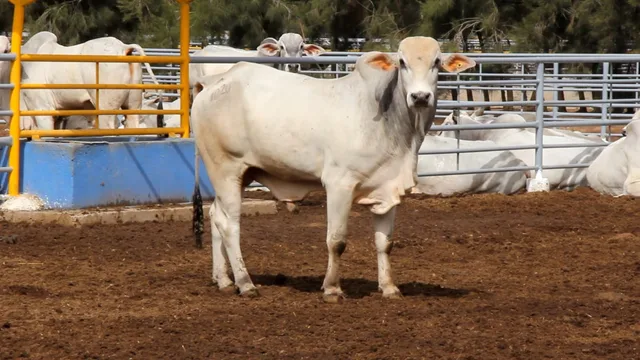
Madar (Rabat) - Thirty-seven companies took part in importing cattle for slaughter into Morocco in 2026, with Brazil accounting for more than 90% of the animals imported, according to a statement by Morocco's Ministry of Agriculture, Fisheries, Rural Development, Water and Forests, reported by news site Hespress on Saturday, October 24, 2026.
The imports are part of government measures to keep domestic markets supplied with red meat and help stabilize prices, the ministry said. Monthly imports averaged around 24,000 head, though volumes varied widely: more than 44,000 head were imported in June and July, compared with about 17,000 in August and September.
Import orders rose in October after the Portuguese market opened to Moroccan buyers, the ministry said, noting that Portugal's proximity makes it an additional potential source of supply. It attributed Brazil's dominant position to the greater availability of cattle there compared with European markets.
The government's duty-free import quota for 2026 was set at 300,000 head. The ministry said the quota had been exhausted, counting animals already imported and those covered by valid customs exemptions still being processed, and suppliers and industry professionals were notified on October 15, 2026, that it had ended.
Under Decree No. 2.25.720 of August 29, 2025, and Article 2 of Finance Law No. 50.25, customs duties and value-added tax on imports under the quota are suspended through December 31, 2026. Imports were open to all suppliers and professionals without prior authorization; exemption applications were filed through the PORTNET platform and processed in under 24 hours in the order received, with each exemption valid for one month.
The measures come as Morocco's red meat sector faces pressure after several years of drought, shrinking herds and animal feed shortages that have driven up feed costs and meat prices. These conditions prompted some farmers to slaughter female cattle, the ministry said.