The Office of the United Nations High Commissioner for Human Rights called for reparatory justice to address historical and contemporary injustices suffered by people of African descent subjected to enslavement and colonialism.
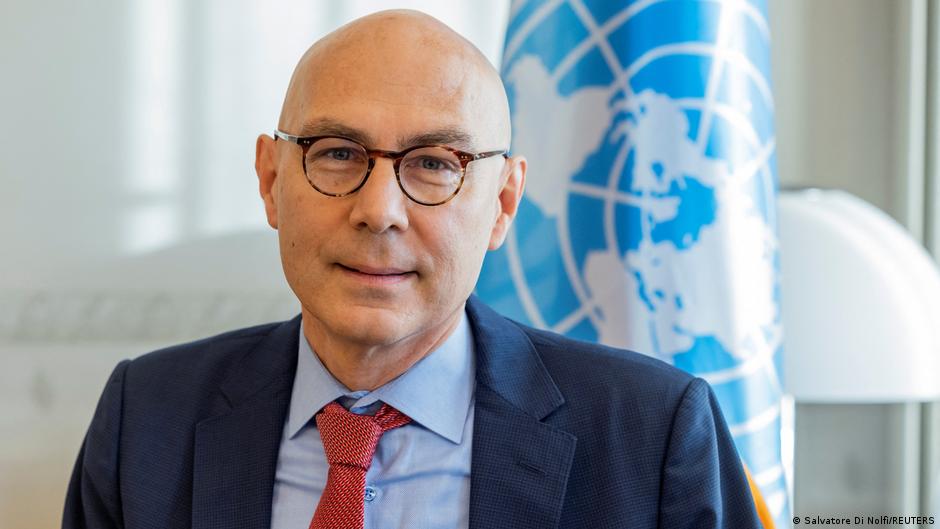
High Commissioner Volker Türk made the call during a dialogue in Geneva on 9 October, attended by states, experts and partners working on reparatory justice. The discussions examined measures taken to ensure redress for those affected.
Türk stressed that reparatory justice extends beyond financial compensation to include official apologies, truth-telling, remembrance of victims, rehabilitation, reform of laws and institutions, and guarantees that violations will not recur.
He noted that countries including Belgium, Brazil, Germany and the Netherlands had apologised for past practices, while Colombia, Mexico, Portugal and others had launched remembrance initiatives. He said no country had accepted full responsibility for past harms or continuing systemic racism.
He added that many countries lack laws against racism and that fewer than a quarter of the world's countries have comprehensive anti-discrimination legislation.
Türk described the trafficking of enslaved Africans as a systematic regime of subjugation and oppression that turned tens of millions of people into commodities and denied their humanity. He stressed that its effects persist in unequal access to opportunity, security and influence, and in poverty and inequality among people of African descent across generations.