Madar (Dakar) - Senegal's Ministry of Hydraulics and Sanitation says the Grand Water Transfer (GTE) programme is neither scrapped nor suspended, that it is proceeding according to the agreed schedule and that it will reach a concrete milestone before the end of the year with the start of the first works on the ground, according to a statement reported by Le Soleil on Monday, 26 October 2026.
The ministry stressed that the readjustments made in the 2026 amended finance law (LFR), carried over into the 2027 initial finance law, "do not in any way reflect a renunciation" and amount to rigorous management by entering credits when they can actually be committed and disbursed. It listed among the steps the finalisation of studies, selection, negotiation and contracting procedures, the census and compensation of affected people, and the management of interfaces between components.
Efforts to mobilise financing from donors and private investors continue, with the aim of starting main transfer works during 2027.
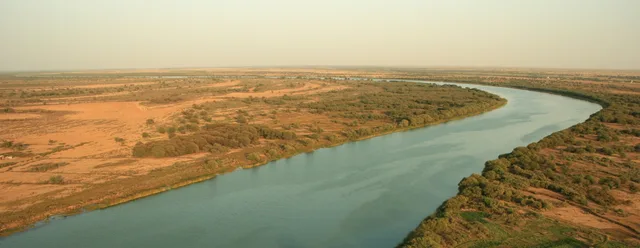
On Lac de Guiers, the programme's main source of supply, upstream-phase works will start by the end of 2026. They cover rehabilitation of the Richard Toll regulation structure, which controls the lake's supply from the Senegal River through the Taouey canal, and embankment works (at CSS, Pakh and Bontou Bath) meant to improve the lake's hydraulics and boost its storage capacity. They are financed by the World Bank.
For the Touba component, SONES has completed feasibility studies, obtained a no-objection opinion from the Ministry of Economy, Finance and Planning, started the file review with the central public procurement directorate and filed the final environmental and social impact study. The treatment plant site and water tower locations have been identified and secured. For water supply to localities along the route, preliminary design studies are finalised and target 57 communes in the Louga and Thies regions.