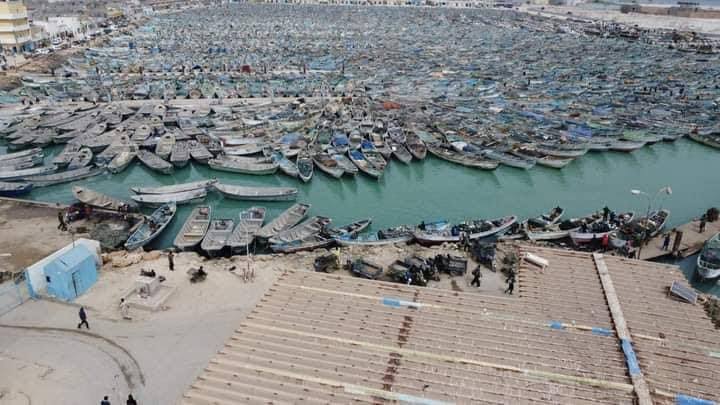

An investigation published by the British newspaper The Observer on Tuesday, October 13 links European salmon farming to pressure on fish available for food in Mauritania. It draws on five years of reporting by The Outlaw Ocean Project.
The project traces a fish-oil shipment carried by the tanker Key Bay from Nouadhibou on October 22, 2022 to Norway for salmon producer Mowi. The voyage illustrates the supply of export-oriented fish farms from West African resources.
FAO explains that fishmeal and oil can come from whole fish or processing by-products. Its 2022 report warned that diverting West African catches from human food to exported feed ingredients affects food security and livelihoods.
Globally, the project examined more than 2,400 vessels linked to fishmeal production in at least 30 countries. Fewer than 30% made their locations publicly available, it found, making feed-source tracing and oversight harder.
Mowi, meanwhile, lists full raw-material traceability and certification of marine ingredients, including through MarinTrust or the Marine Stewardship Council, among its published targets. It also aims for 10-15% emerging feed ingredients by 2030.
In its presentation of 2026 data, FAO says aquaculture supplies 59% of aquatic animal food destined for human consumption worldwide. About 90% of fishmeal is used by the sector.
The organisation advocates diversifying feed with algae, insects and by-products to reduce pressure on wild fish. Assessing farms' sustainability therefore also involves where their feed comes from, not just production inside the cages.