Madar (Nouakchott) - Mali has been hit in recent days by one of its deadliest waves of violence this year, with dozens of civilians killed near Menaka and thousands newly displaced in the centre, while Mauritania, which has hosted Malian refugees for years, warns that international aid for food security programmes is shrinking.
The Menaka massacre
More than 40 civilians were killed on Sunday, October 18, in attacks on camps near Menaka in north-eastern Mali, security and local sources told AFP. The Daoussahak community's executive bureau said at least 48 civilians were killed in Tagadayat and blamed the Islamic State group.
Reuters reported on Monday, citing sources, that Islamic State-linked militants killed at least 48 civilians. Residents of the targeted camps fled to Menaka; the Malian army had announced operations in the area the day before the attack.
Displacement in the centre and a rights report
In central Mali, more than 3,400 newly displaced people reached Macina after fleeing violence in Souleye and Touara, joining some 5,000 already there, Studio Tamani reported.
This came as a Human Rights Watch report accused the Malian army of drone strikes that killed civilians and armed groups of executing captured Malian soldiers.
Mauritania: refugees and less aid
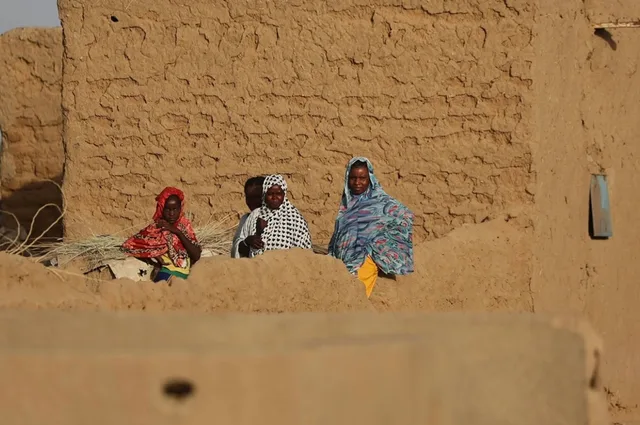
Mauritania is following these developments closely: it hosts Malian refugees, particularly at the Mbera camp in Hodh Ech Chargui. Food Security Commissioner Fatimetou Mint Khattri told the Committee on World Food Security in Rome that the authorities were working with UNHCR and WFP to meet their needs "within available means".
She warned that the World Food Programme's reduced interventions this year "pose a challenge to the continuity" of national programmes, called for stronger national and international resource mobilisation, and cited the creation of a national fund for responding to food and nutrition crises.