Australia's Aura Energy is targeting December 2026 for a final investment decision on its Tiris uranium project in Mauritania after completing a bankable feasibility study. The company aims to begin production by the end of 2028, according to a disclosure published on October 16.
The study puts development costs at US$349.8 million and forecasts average annual production of 1.8 million pounds of uranium oxide over 26 years. These are estimates for the development plan, not existing output or an announcement that mine construction has begun.
The disclosure says the required funding has not yet been secured and no investors or lenders have made commitments. The final funding mix remains undetermined as Aura continues talks with potential financiers and partners. Discussions with the US International Development Finance Corporation concern US$150 million to US$170 million in financing, rather than a final approval to provide it.
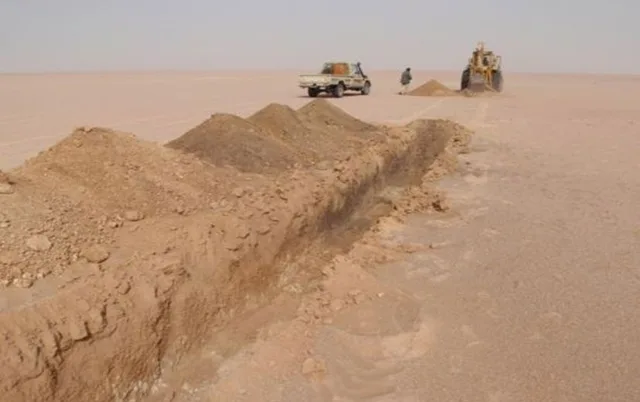
Steps preceding the investment decision include operating a pilot plant at Bir Moghrein in November and December to process more than 80 tonnes of Tiris ore and validate the processing flowsheet under continuous operating conditions. The company expects equipment to reach the site in October.
The study estimates the project's post-tax net present value at US$500.3 million, using a uranium price of US$90 per pound and an 8% discount rate. That financial-model result depends on its assumptions. Part of the production plan also relies on inferred mineral resources, which have a lower level of geological confidence than the reserves established by the study.
Aura owns 85% of project company Tiris Ressources, while the Mauritanian state holds 15% through the National Agency for Geological Research and Mining Heritage. The company says exploitation permits and environmental approvals are in place, but moving into production still depends on funding, testing and the investment decision.