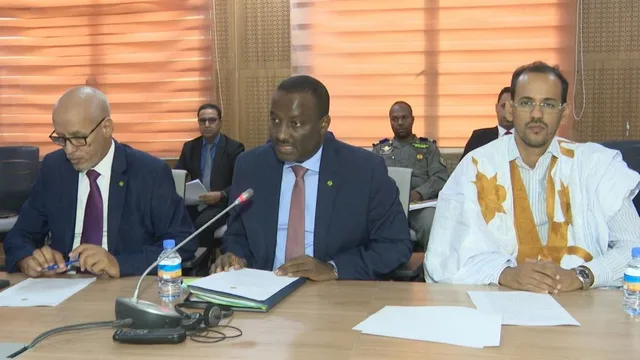
Madar (Nouakchott) - Mauritania's National Assembly, in a public session on Tuesday morning, November 3, 2026, chaired by its president Mohamed Bamba Meguett, passed a bill on combating narcotics and psychotropic substances, the Mauritanian News Agency reported.
Justice Minister Mohamed Ould Soueidatt said the new law widens criminalisation to all acts linked to narcotics and psychotropic substances, including production, manufacture, conversion, possession, cultivation and trafficking, as well as activities involving equipment used for illicit production.
The law introduces specific provisions against international criminal groups, criminalising their creation, leadership, financing, membership or support, and toughens penalties when offences are committed by organised or cross-border groups, involve violence or weapons or the abuse of public office, target minors or vulnerable groups, or take place in or around schools, health, social and prison facilities.
On detection and investigation, the law sets out special investigative techniques, including controlled delivery, infiltration, electronic surveillance, interception of communications and technical geolocation, subject to judicial authorisation and oversight, with limits on their duration and scope and protection for evidence and those involved.
According to the minister, the law also addresses the financial side of the crime and the criminal liability of legal entities, and adopts a treatment approach encouraging users to seek treatment voluntarily or under a binding court order in specialised centres.
Lawmakers stressed the law's importance as drug use has shifted from isolated cases to "a worrying phenomenon threatening society's security and the future of its youth," calling for tighter controls in schools, awareness campaigns and medical means to establish drug use.