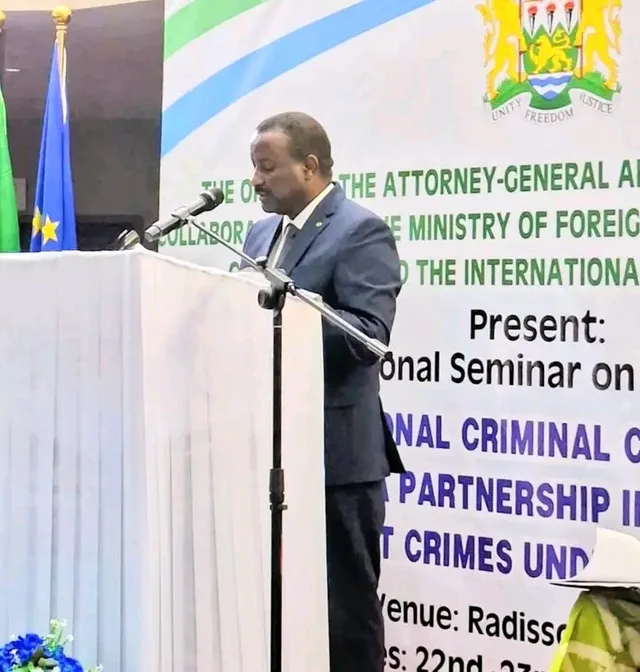
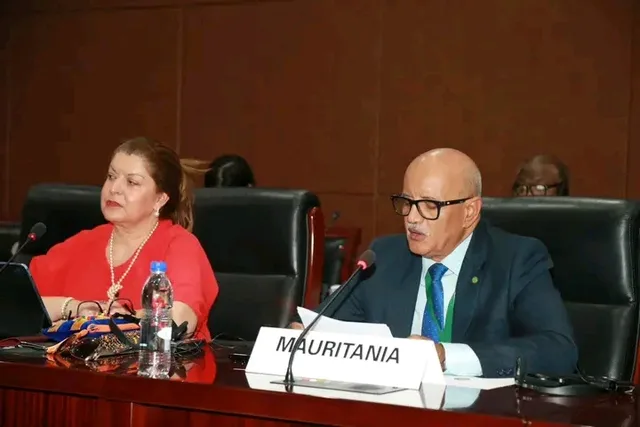
Mauritania on Friday reviewed its record on promoting and protecting children's rights as it presented its first periodic report on implementing the African Charter on the Rights and Welfare of the Child to the African Committee of Experts on the Rights and Welfare of the Child, meeting for its 48th ordinary session in Maseru, Lesotho.
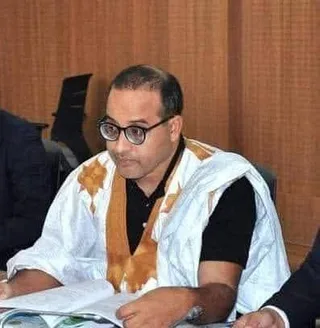
The official delegation included Cheikh Tourad Ould Abdel Malick, who delivered the opening statement on behalf of the Commissioner for Human Rights, Humanitarian Action and Relations with Civil Society; Abdallah Diakité, a senior adviser at the Ministry of Social Action, Childhood and Family; Sidi Mohamed Ould El Imam, director of human rights at the Commissariat; and Aboubakar El Jar, head of monitoring and evaluation at the Ministry of Social Action, Childhood and Family.
The head of the delegation reaffirmed Mauritania's commitment to working with African human rights mechanisms and to meeting its obligations under the Charter. He described the review as a step in that cooperation and an opportunity to assess progress, examine national policies and discuss the obstacles that still prevent children from fully enjoying their rights.
He said human capital development, social justice and the protection of vulnerable groups are central to the presidential programme known as "My Ambition for the Nation". He cited a stronger legal and institutional framework, the 2024-2028 National Strategy for the Promotion and Protection of Human Rights, the National Child Protection Strategy and the expansion of protection mechanisms at regional and local level.
The delegation reported 46 regional and local child protection mechanisms, 41 of them operational, and training for 3,058 workers and specialists in childhood, social work and disability over the past three years.
On education, it presented progress on the Republican School project, now in its fourth year: 1,200 classrooms built and equipped, 2,250 renovated and 3,743 additional teachers recruited, along with measures to expand pre-school education and reduce dropout rates.
On health and social protection, the delegation pointed to improvements in maternal and child health, wider health coverage, vaccination and nutrition programmes, and more than 567 million ouguiyas allocated to the child protection and development programme in the 2026 budget.
The report also covers efforts against child labour, human trafficking and slavery-like practices, support for victims, juvenile justice, civil registration and children's participation through the Children's Parliament. The delegation described access to education, health care, social protection and civil registration for refugee and migrant children, particularly in the M'bera camp and host communities, amid insecurity in the Sahel.
The head of the delegation acknowledged continuing challenges, including unequal access to basic services, the quality of education, child marriage and child labour, and the capacity of protection mechanisms. He said the government intends to pursue reforms and mobilise the necessary resources.