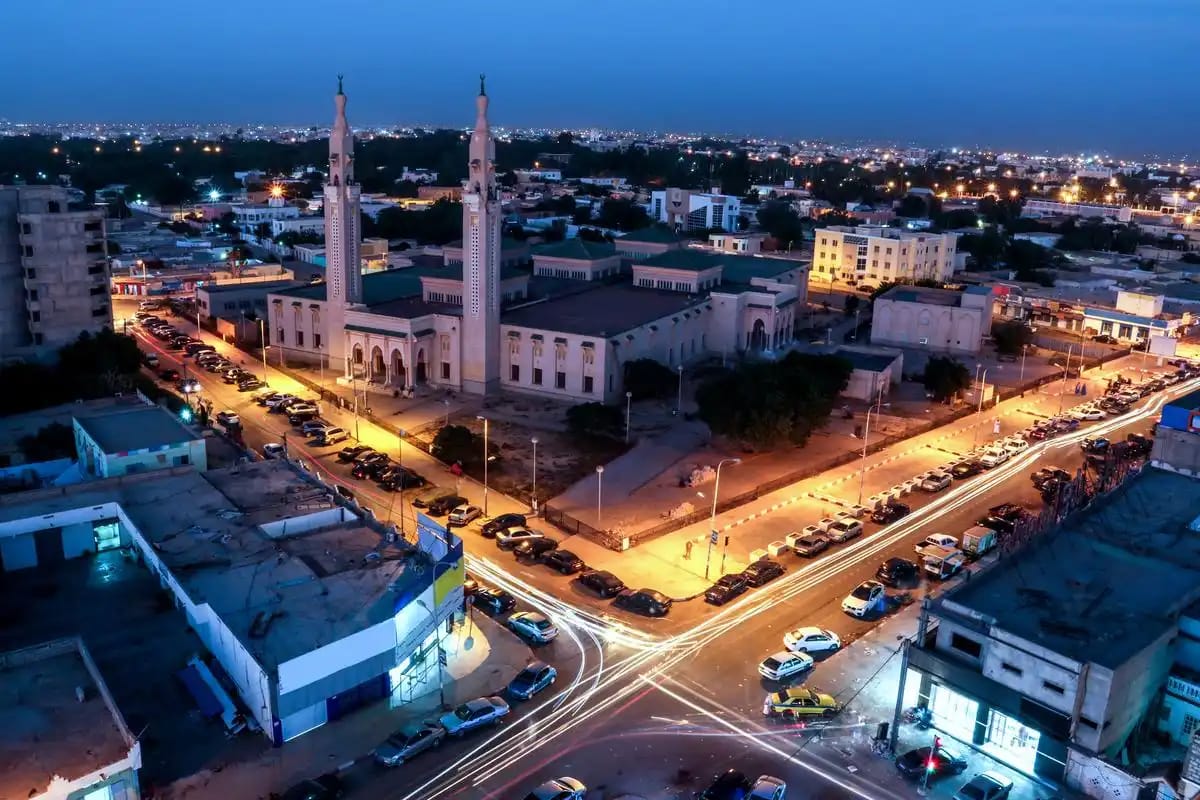
The 2026 Bertelsmann Transformation Index (BTI) country report on Mauritania found that the country maintained a degree of relative political stability between February 2023 and January 2025, particularly compared with some other Sahel countries. That stability, however, continued to coexist with democratic shortcomings and deep economic and social challenges, according to the report.
The report noted that parliamentary, regional and municipal elections in 2023, followed by the 2024 presidential election, reinforced the dominance of the ruling Insaf party and returned President Mohamed Ould Cheikh El Ghazouani to office. It also highlighted continuing concerns over unequal political opportunities, allegations of electoral fraud, the suppression of post-election protests and an internet shutdown lasting several days.
On the economy, the report said Mauritania continued to recover from the effects of the COVID-19 pandemic, benefiting from legal changes and gradual reforms. It nevertheless found that economic growth was not yet keeping pace with population growth and the needs of young people, amid high unemployment, weak infrastructure and a lack of transparency in public financial management.
The report also examined persistent poverty and social inequality, saying large sections of the population continued to face vulnerability and exclusion, particularly in rural areas and among certain social groups. Slavery and discrimination remained among the major structural issues shaping the country's political and human rights development, it said.
The BTI is published by Germany's Bertelsmann Stiftung, an independent non-profit foundation specialising in reform and governance. One of its leading international reports, the Transformation Index compares 137 countries in the areas of democracy, the economy and political management, drawing on assessments by international experts and researchers.
The report concluded that Mauritania appeared more stable than a number of its Sahel neighbours, but that this stability would remain fragile unless accompanied by deeper reforms to broaden political participation, strengthen social justice and improve governance and transparency.