Madar (International) - The Court of Arbitration for Sport (CAS) on Tuesday, 24 November 2026, settled the AFCON 2025 title in Senegal's favour, more than ten months after the final in Rabat. The panel, unanimously and with all three arbitrators, upheld the appeal of the Senegalese Football Federation (FSF) against the Confederation of African Football (CAF) and the Royal Moroccan Football Federation (FRMF), annulled the decision of the CAF Appeal Board and reinstated that of its Disciplinary Board, confirming the result on the pitch: 1-0 to Senegal, according to the CAS media summary quoted by RFI.
The ruling does not end everything: the same day, the Moroccan federation said it would challenge it, citing a "contact" between one of the arbitrators and the Senegalese federation's president before the decision.
Why CAS sided with Senegal
According to the summary, the panel found that the decision to restart the match or stop it for good "fell within the referee's sole discretion", and that by blowing for the restart, the referee considered the conditions met, as "both teams were again present on the pitch and had both shown their willingness to resume the match".
As the effects of the referee's decision were limited to the field of play, Articles 82 and 84 of the AFCON regulations, meant for cases where a team's conduct leads the referee to declare the match definitively stopped, did not apply. The panel concluded that the referee "made no error of law".
Ten months of dispute
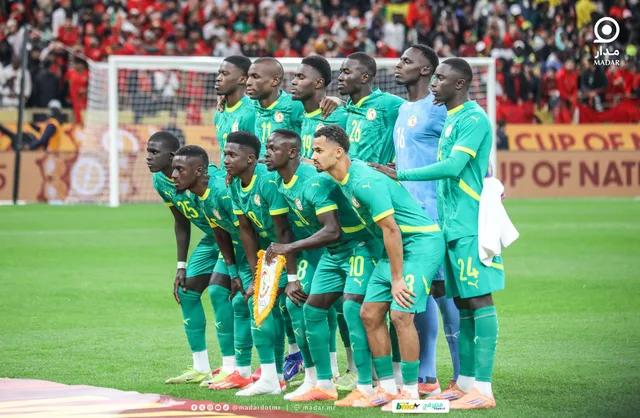
It all goes back to the 18 January final in Rabat, when Morocco were awarded a stoppage-time penalty just after a Senegal goal was disallowed, France 24 reported. Most Senegal players left the pitch at the initiative of their coach Pape Thiaw before returning about a quarter of an hour later; Brahim Diaz missed the penalty and Pape Gueye scored the winner in extra time.
On 17 March, the CAF Appeal Board upheld the Moroccan appeal, annulled the Disciplinary Board's decision and declared Senegal losers by forfeit (3-0) under Articles 82 and 84, which forbid leaving the pitch without the referee's permission. The FRMF welcomed the decision, the Senegalese government called it illegal and demanded an independent international investigation, and the FSF denounced "the most blatant administrative robbery in the history of our sport", according to RFI.
CAS heard the parties on 8 October in Lausanne, behind closed doors for more than five hours, then announced on 19 October that its award was expected at the end of November. The fallout also spread beyond the pitch: in February, a Moroccan court sentenced 18 Senegalese fans to between three months and one year in prison over the violence, before King Mohammed VI pardoned them on 23 May.
A "contact" in the final hours
Hours before the ruling, the FRMF sent an official letter to CAS reporting an "incident": it said a phone call took place on Sunday between one of the three arbitrators and FSF president Abdoulaye Fall, RMC Sport reported, quoting sources close to the Senegalese federation who denied that any such call took place. CAS replied that the commission handling challenge requests "considered that there were not sufficient elements at this stage to postpone notification of the award", RFI reported.
What changes
Senegal are now officially the 2025 African champions and, according to RFI, can add a second star to their shirt. The on-pitch score of 1-0 after extra time replaces the 3-0 awarded to Morocco by forfeit. Attention now turns to AFCON 2027, scheduled for summer 2027 in Tanzania, Uganda and Kenya, for which both teams have qualified, France 24 reported.
Reactions
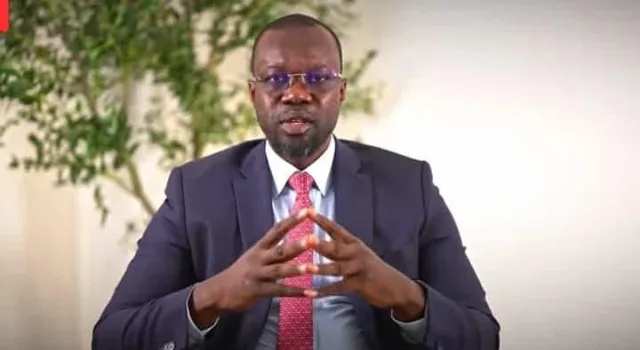
The FSF said it "welcomes this award with deep satisfaction", adding that the decision "above all affirms the triumph of sporting fairness and recalls a cardinal principle: the truth of a match is established exclusively on the pitch", and thanked the President of the Republic and the government. "The Court of Arbitration for Sport has done justice to sport," FSF president Abdoulaye Fall said, reaffirming "the bonds of fraternity" with the FRMF and the Moroccan people, according to RMC Sport.
The FRMF, in a statement on its website, voiced its "protest" that its request had not been taken into account, said it had been "confirmed" that a contact took place between German arbitrator Ulrich Haas and the FSF president "48 hours before the decision was delivered", and said it would "take all necessary legal steps to challenge" the ruling. It also argued that the award ignores the direction set by recent decisions of the IFAB and FIFA on players who leave the pitch without the referee's permission.
Is there any appeal left
Under Article R59 of the Code of Sports-related Arbitration, an appeal award is final and binding on the parties from notification, and neither CAF nor FIFA has the power to review it, France 24 noted. But because CAS is based in Lausanne, its awards are subject to Swiss law, which allows a last challenge before the Swiss Federal Supreme Court within 30 days of notification of the reasoned award, either as an application to set aside or a request for revision.
The Federal Supreme Court does not rehear the merits; it only checks that the procedure was regular, on limited grounds, including an irregularly constituted panel or a breach of the parties' equal treatment or right to be heard. CAS says only about 6% of such challenges succeed on average, and even if the award were set aside, the title would not automatically go to Morocco: the case would be sent back to CAS for new proceedings, according to France 24 and RMC Sport.