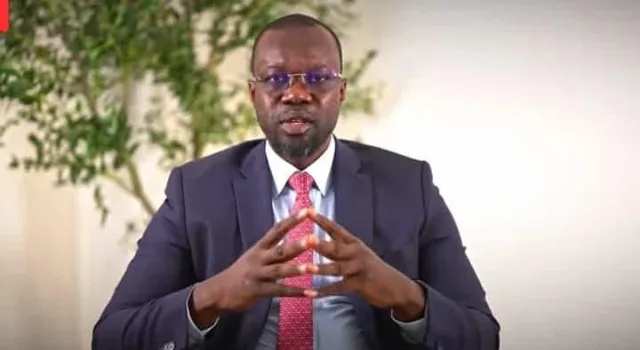
Madar (Dakar) - Senegalese President Bassirou Diomaye Faye on Saturday, 28 November 2026, launched in Koussanar, in the eastern Tambacounda region, an emergency project to strengthen drinking water distribution systems (PURSDEP), fully funded by the state from its own resources at 10 billion CFA francs, Senegal's public broadcaster RTS reported.
Over twelve months, in more than 680 localities across thirteen regions, the project plans 60 new boreholes, the completion and commissioning of 51 boreholes left unfinished by other programmes, 15 water towers, treatment units, 67 kilometres of network and 3,000 subsidised household connections.
According to the same source, it will improve access to drinking water for 682,000 people, with capacity to serve 1.35 million people by 2050.
In Koussanar, Faye commissioned a 140-metre borehole, a 300-cubic-metre water tower and 15 kilometres of network, built ahead of the project, which supply 17 towns and villages and serve 24,000 more people.
Earlier, in Koumpentoum, the first stop of his visit to the Tambacounda region, he commissioned a 132-metre borehole with a flow of 236 cubic metres per hour, of which 100 cubic metres are currently used, along with 20 kilometres of network. It serves Koumpentoum, Wassadou, Bouchra and Kipou Baba, 24,000 more people now and 48,000 by 2050.
The Koumpentoum borehole cost 254 million CFA francs and is part of the second phase of the rural drinking water supply programme, carried out with Chinese cooperation for 55 billion CFA francs; 37 of the 85 boreholes planned in thirteen regions have already been handed over, according to RTS.
In his speech, the president asked contractors to respect deadlines and the quality of the works and urged residents to protect the facilities, which he said belong to them, adding that every Senegalese should find drinking water close to home, whether in the capital or a village in eastern Senegal.
The stops are part of an economic tour Faye began in the Kedougou and Tambacounda regions, during which he launched the Falémé iron ore project.