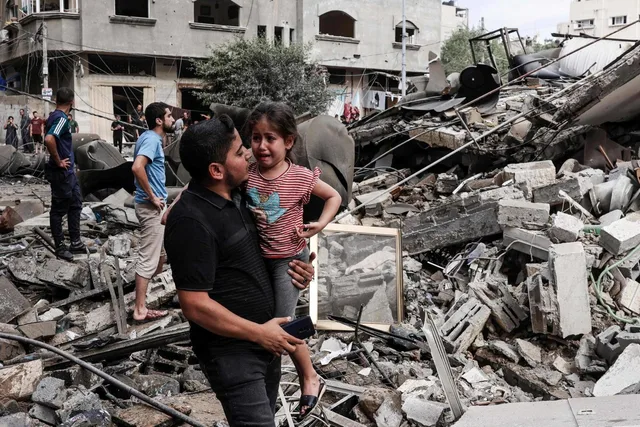
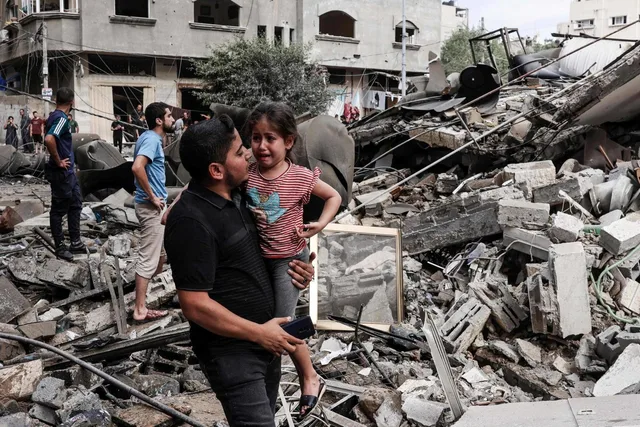
Madar (International) - More than 340 children have been killed and hundreds more injured in the Gaza Strip since a ceasefire agreement between Hamas and Israel was announced a little over a year ago, the UN Children's Fund (UNICEF) said on Friday, October 16, 2026, according to spokesperson Ricardo Pires, who briefed journalists in Geneva.
In the past two weeks alone, five boys and two girls were killed and at least 33 children seriously injured in airstrikes, drone strikes and gunfire across the Strip, Pires said, while two more boys died of earlier injuries. For grieving families, he said, those figures "do not equate with a ceasefire".
According to UNICEF, some 800,000 children remain displaced, most of them in tents or bombed-out buildings, and an estimated 60,000 have lost one or both parents. Pires warned that the Sheikh Radwan stormwater basin is already half full and could overflow into residential areas once winter rains arrive. The Arabic edition of UN News quoted him as saying Gaza's six wastewater treatment plants remain out of service and that the basin could be emptied within two weeks, but Israel has not yet allowed the necessary equipment in.
Asked about reports that private traders in Gaza had halted cooperation with Israeli authorities over the entry of commercial food trucks, Pires said an uninterrupted flow of humanitarian and commercial goods remained essential, recalling that UN-backed experts declared famine in Gaza last year before the ceasefire. Children need a genuine ceasefire and full implementation of the peace plan, he added.
UNICEF says it has helped more than 560,000 children return to learning since the ceasefire, including at over 200 centres it supports, has provided digital cash assistance to more than 380,000 people and supplies safe water to 1.2 million people.