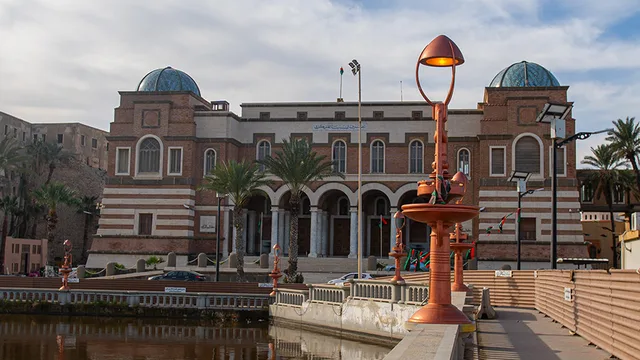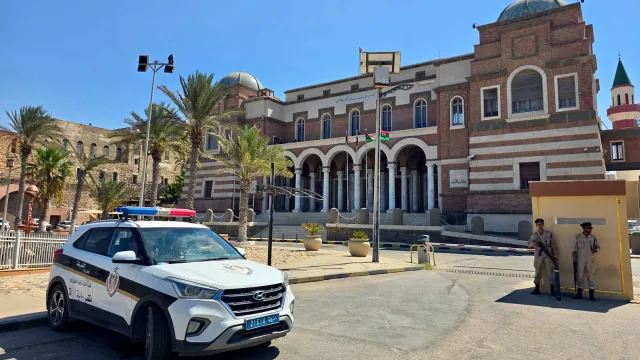
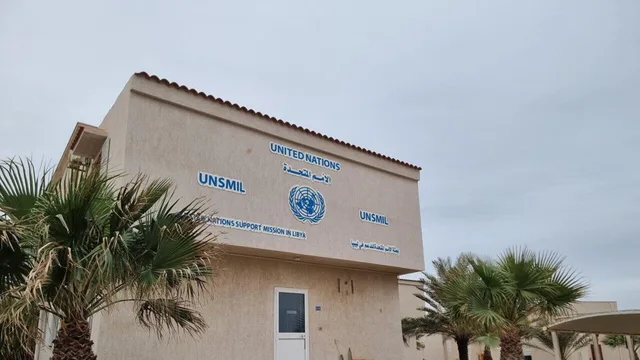
Madar (Tripoli) - The United Nations Support Mission in Libya (UNSMIL) on Friday, October 23, 2026, stressed the importance of preserving the integrity and independence of the Central Bank of Libya, saying any change in its leadership must stem from a commitment to better governance and stronger oversight, following the House of Representatives' presidency decision on the bank's leadership, according to a statement carried by the Libyan News Agency (LANA).
The mission said the bank's operational independence and integrity, together with the coordination and unity of its operations across the country, were essential to protect public resources, preserve economic and financial stability and maintain the confidence of international financial partners.
It warned that continued pressure on the central bank to finance growing public spending could add pressure on the exchange rate, fuel inflation and speed up the depletion of reserves, calling this path "unsustainable" and one that would ultimately come at the expense of Libyans and could raise the risk of social unrest. It urged all parties to fully respect the legal and institutional procedures in force, while stressing its full respect for Libya's sovereign institutions.
The US Embassy in Libya said on X that the United States was concerned by the developments at the bank, warning that attempts to undermine its technocratic cohesion and independence carried significant risks that could undermine Libya's financial and economic stability, LANA reported.
Earlier the same day, the central bank announced that Fawzi Abu Khazam had taken office as acting governor after a handover ceremony on Thursday attended by members of the House of Representatives and the High Council of State. The bank said the assignment came from the House of Representatives "with the support of the High Council of State" and that its work was proceeding normally.
On Thursday, the bank had denounced the entry of a force into its Tripoli headquarters, while Governor Naji Issa told local media he had not resigned and the first deputy head of the High Council of State rejected the move.