Madar (Niamey) - The governor of the Diffa region in south-eastern Niger, Major General Mahamadou Ibrahim Bagadoma, said only 13 of the 25 pumps installed at the Boulangou Yaskou irrigated perimeter are currently working, during a visit to the site on Friday, 13 November 2026, with the deputy resident representative of the UN Development Programme (UNDP) in Niger, Jane O. Yeboah, the Niger news agency ANP reported on Saturday.
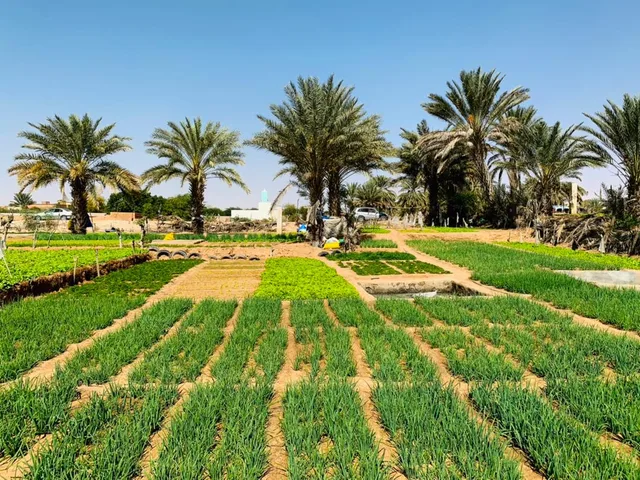
Located about 10 kilometres north-east of the town of Diffa, the perimeter was built in 2022 under the Diffa family farming development programme (ProDAF-Diffa), with UNDP support for water production equipment, on an initial 25 hectares divided into individual plots of 0.25 hectares, according to the same source.
The governor said the water shortage had shrunk the area actually farmed: "Initially there were 100 farmers. Today there are barely 60 to 70 still on the site, and each of them can only farm barely a third of his plot, simply because of the lack of water."
According to ANP, the rice and wheat originally planned are practically no longer grown in the intended conditions, with farmers turning to less water-intensive crops such as cassava and peppers.
Describing it as his third visit to the perimeter, the governor said: "We are looking for partners who can help us rehabilitate and even extend this perimeter, because the region needs it." He instructed the technical services to carry out an in-depth assessment of all the infrastructure to identify the causes of the breakdowns and the equipment needing repair or replacement.
The project's technical documents, the agency said, provide for rehabilitating the perimeter and extending it to 50 hectares, with new boreholes, pumping equipment, solar arrays and reinforced pipelines. They also point to farmers' needs for fertiliser and seed, and to pressure on the developed land from the arrival of refugees and displaced people.
The UNDP deputy resident representative said her organisation was "committed and mobilised to support the Government of Niger" and would work with residents and the authorities to find solutions supporting "this vision of food self-sufficiency", the same source said.