Madar (N'Djamena) - Chad's Minister of Agricultural Production and Industrialisation, Keda Ballah, presented measures to support farmers to the National Assembly on Monday, 9 November 2026, after a 2026-2027 farming season hit by late sowing, irregular rains and dry spells just when crops needed water, the news site Tchadinfos reported.
The minister said the poor distribution of rainfall over time and space had affected pastures and food crops, particularly at the flowering stage, and blamed climate disruption. A mission of several ministers, technical officials and international partners, led by the Minister of State for Finance, toured 11 badly affected provinces and produced short- and medium-term measures.
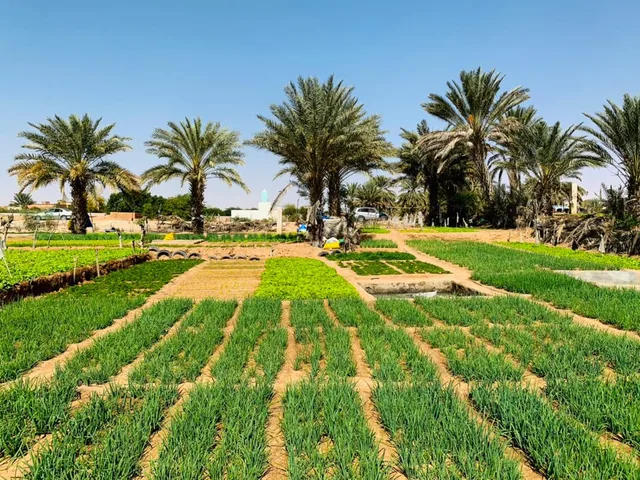
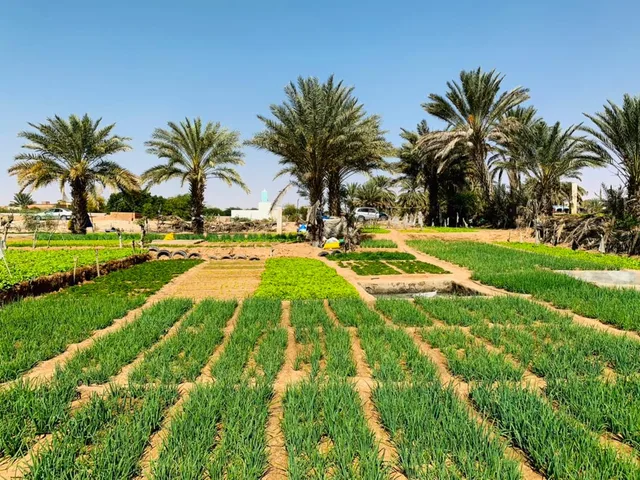
"I prefer to talk about what is concrete rather than projections," Ballah said. For counter-season farming, 6 tonnes of rice seed are available, along with 15 tonnes of vegetable seed provided by the FAO for Barh El Gazel, Kanem, Batha and Ouaddai, covering onion, chilli, okra, carrot, watermelon and tomato, and 3,000 market-garden kits.
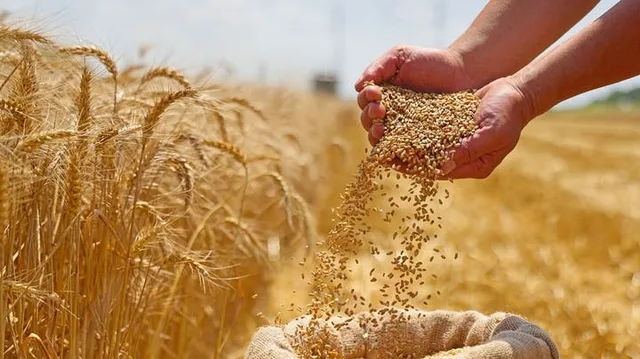
He also cited an order for 5,000 tonnes of seed, mainly sorghum and maize, placed through the Perensa project, part of it for market gardening and the next season. On fertiliser, 380 tonnes of NPK are available in the 12 provinces covered by the 3Agri project, with an additional order due within three months at most.
Ballah argued for greater use of groundwater and land suited to counter-season farming, saying food security cannot be judged by rainfall alone. He also mentioned a fertiliser plant whose foundation stone was recently laid: according to the investor's commitments, production of organo-mineral fertiliser could start next April, with an annual target of 176,000 tonnes.
The minister acknowledged two difficulties: getting alerts out quickly and mobilising the resources needed for emergency interventions.