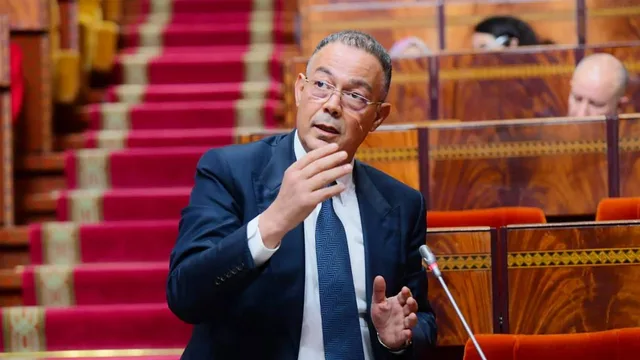
Madar (Rabat) - Moroccan Finance Minister Fouzi Lekjaa said on Friday, 20 November 2026, that the government plans to raise the minimum pension gradually to 3,000 dirhams by early 2030, speaking during the general discussion of the 2027 Finance Bill before the Finance, Planning and Economic Development Committee of the House of Councillors, according to Hespress.
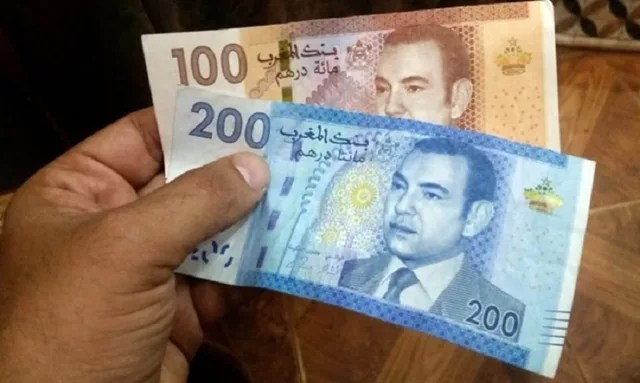
According to the minister, the minimum pension currently stands, in theory, at 1,500 dirhams in the public sector and 1,000 dirhams under the National Social Security Fund (CNSS). It will rise to 1,700 dirhams in January 2027, 2,000 dirhams in January 2028, 2,500 dirhams in 2029 and 3,000 dirhams at the beginning of 2030.
Lekjaa said the measure would initially benefit around 557,472 people, including 180,000 widows, at an estimated cost of 3.3 billion dirhams, with the number of beneficiaries expected to reach 1.2 million by 2031.
He added that the government would raise widows' share of pension benefits from 50% to 100%, a measure covering 431,334 women at an estimated annual cost of 7.33 billion dirhams, starting in January. As of the end of October, 434,196 widows were receiving direct social assistance, or 11% of beneficiary households.
In health, the minister said the creation of 8,000 posts in 2027 was part of an effort to reach a ratio of 35 health professionals per 10,000 people, with 5,400 posts funded from the Health Ministry's budget and 2,600 created by the six regional health groups from their own budgets.
Education has been allocated 106.9 billion dirhams for 2027, an increase of 4.7 billion, supplemented by around 1.3 billion dirhams from the Mohammed VI Foundation for the Promotion of Social Works for Education and Training, according to Lekjaa.
Lekjaa also defended the political direction of the government led by Fatima Zahra Mansouri, saying its political identity was defined by its shared vision and priorities rather than by the ranking of parties in the 23 September elections.