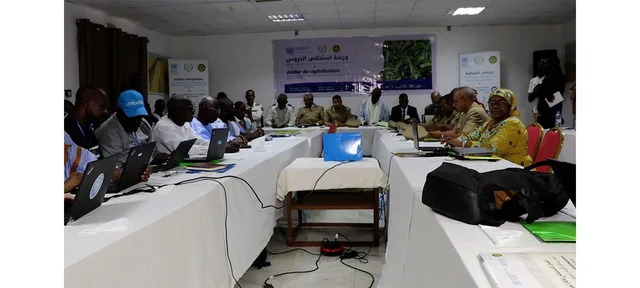
Madar (Nouakchott) - Prime Minister Mokhtar Ould Djay on Wednesday, 11 November 2026, chaired a meeting of the ministerial committee in charge of developing the Tiguent agricultural hub in Trarza region, devoted to how the project will be implemented and the sector commitments needed to launch it, the Mauritanian News Agency (AMI) reported.
During the meeting, held at the Prime Minister's Office, the committee heard presentations from the sectors concerned on the commitments required to carry out the project, according to the same source.
The project consists of an agricultural basin and an agro-industrial platform near the town of Tiguent, which the agency said enjoys "a strategic location linking production areas to export routes".
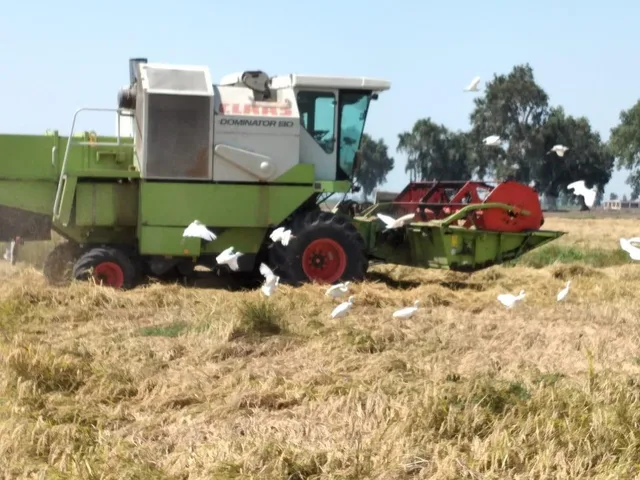
It aims to develop crop and livestock production, strengthen processing industries and value chains, modernise farming techniques, develop storage, transport and logistics services, and support research, innovation and training, in order to raise productivity, encourage exports and create jobs, AMI said.
At the end of the meeting, the prime minister told the sectors concerned to speed up implementation of their commitments and complete the procedures needed to launch the project, which the agency said follows directives from President Mohamed Ould Cheikh El Ghazouani aimed at securing food sovereignty and stimulating investment and national production.
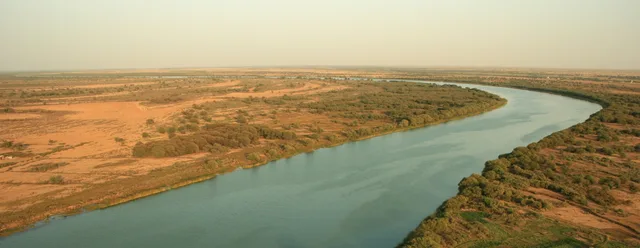
The Council of Ministers approved on 18 June 2026 a draft decree creating the development hub, whose agricultural basin is to cover a total of 800,000 hectares across five Trarza departments including Rosso, Keur Macene, R'Kiz and Mederdra, with the crop and livestock processing platform to be built near Tiguent.
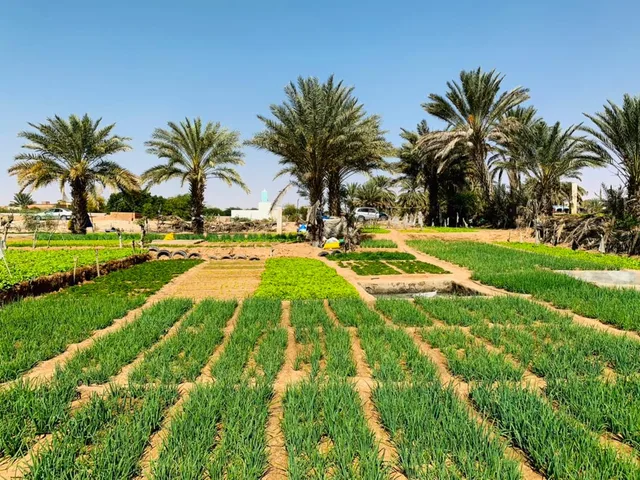
The government hopes the hub will bring self-sufficiency in several products, including potatoes, onions, tomatoes, okra and carrots, as well as developing wheat, fodder and fruit production, the Council of Ministers said at the time.