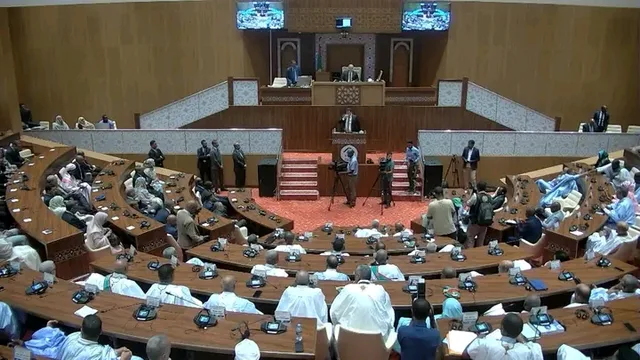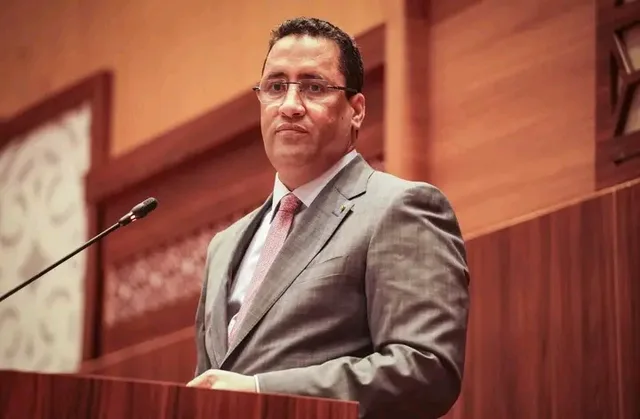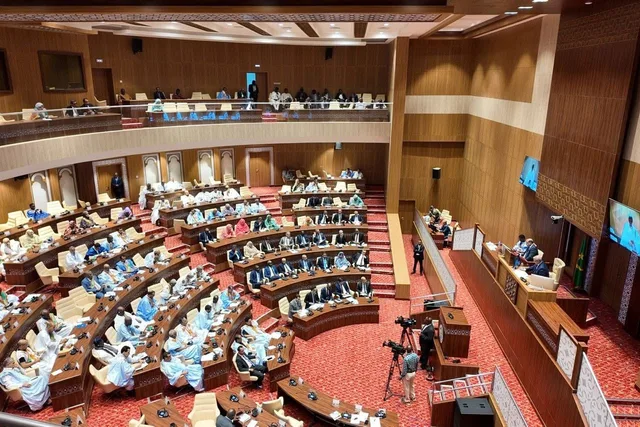
Madar (Nouakchott) - Prime Minister Mokhtar Ould Djay said the 2019-2026 period saw the construction of about 7,600 classrooms, nearly 40% of what had been built from independence to 2019, as he responded to MPs during the plenary session the National Assembly devoted on Monday, November 9, 2026, to debating the government's general policy statement, according to the Mauritanian News Agency (AMI).
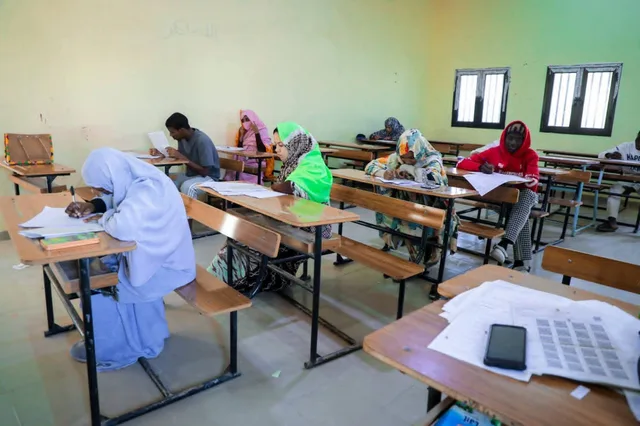
Ould Djay said the country has about 19,000 classrooms in primary and secondary education, and that the pace of construction has risen to between 1,500 and 2,000 classrooms a year, compared with about 4,200 classrooms between 2010 and 2019, or roughly 400 a year.
In Nouakchott, he said 1,331 classrooms were built or rehabilitated in 2025 and early 2026, providing places for more than 50,000 pupils on the basis of 50 pupils per classroom. Some classes that had about 80 pupils now have between 40 and 50, he added, while acknowledging that some schools in the capital remain overcrowded.
On teachers, the prime minister said there are about 27,000 in primary and secondary education, and that 19,581 teachers were recruited between 2019 and 2026, compared with about 500 a year between 2010 and 2019. Recruitment in 2026 covered some 3,800 teachers.
He said the sector currently has between 8,000 and 9,000 contract service providers, adding that the ministry's stated direction is for next year to be the last year of recruiting service providers, with a gradual move towards "a more stable employment status".
Ould Djay disclosed that about 600 teachers left the civil service over the past two years because they were unable to continue teaching, in his words, which required measures to organise the teaching corps and ensure teachers are present in open schools.
In higher education, he said student numbers rose from about 22,000 in 2019 to around 52,000, and the number of programmes from about 50 to 130, with seven new institutions created. Grant recipients rose from about 6,800 to some 22,700 students, including about 10,700 from families listed in the social registry who receive full grants. Vocational training capacity rose from about 5,000 to around 20,000 places, he added.
On the republican school, the prime minister estimated that taking in about 130,000 pupils in public schools represents potential savings of about 11 billion ouguiyas a year for families, based on 10,000 ouguiyas a month per pupil over nine months, while acknowledging that education "remains below international indicators and the desired level".
Ould Djay opened his reply by stressing the government's commitment to respecting other views, particularly those of the opposition, and praised the level of a debate in which about 110 MPs took part, before the National Assembly approved the general policy statement with 145 votes.