Mauritania has reaffirmed its support for the unity of the Arab League Educational, Cultural and Scientific Organization (ALECSO), stressing the importance of dialogue and consensus in addressing issues related to the organisation's future, so as to ensure its institutional stability and the continued development of its work.
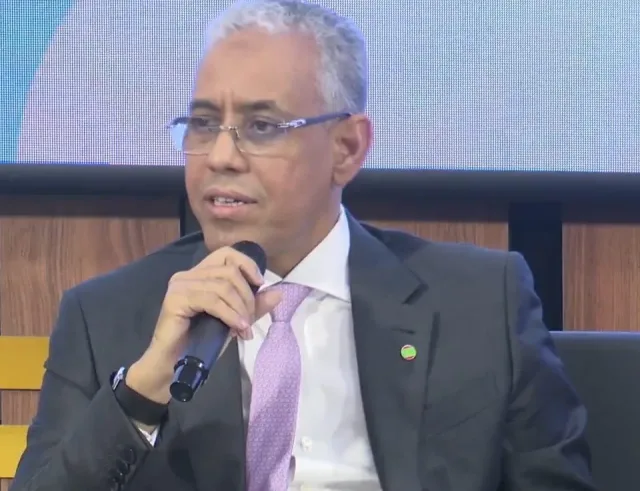
The Mauritanian position was set out in a speech by the Minister of Culture, Arts, Communication and Relations with Parliament and government spokesman, Mohamed Ould Bebana, during his participation in the 28th session of the ALECSO General Conference, being held in the Omani capital, Muscat.
The minister explained that Mauritania had chosen to put the common interest of the organisation first and to preserve the unity of member states, in the belief that contentious issues should be resolved through understanding, away from any steps that could affect the organisation's cohesion.
He also defended Mauritania's decision to withdraw its proposal to include on the agenda of the 125th ordinary session of the Executive Council an item on renewing the mandate of ALECSO's director general, Mauritanian Mohamed Ould Amar, saying the move does not diminish Mauritania's appreciation of what has been achieved under his leadership, but reflects its concern to avoid divisions within the organisation.
Ould Bebana also praised the progress ALECSO has made in recent years in its programmes and activities and in strengthening its relations with member states and regional and international institutions, commending its director general's efforts to expand initiatives and adapt programmes to Arab needs.
The minister addressed a number of items on the conference agenda, including the draft programme and budget for 2027-2028, the future vision for the organisation's work after 2028, the forward-looking plan to develop education and improve its quality in the Arab world for 2026-2035, and support for the cultural and creative industries.
Separately, the minister reaffirmed Mauritania's rejection of attacks targeting Arab countries and violating their sovereignty and territorial integrity, reiterating its opposition to interference in the internal affairs of states and calling for dialogue and political and diplomatic channels to resolve disputes.