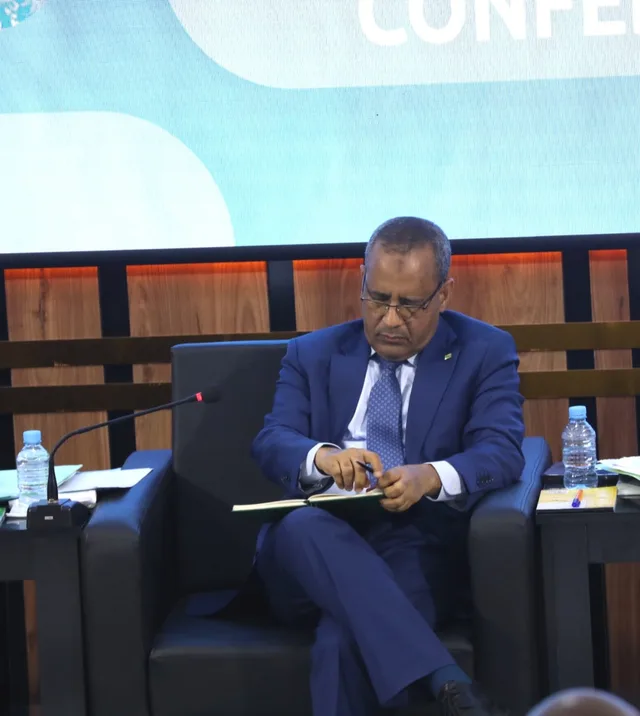
Madar (Algiers) - Algerian Finance Minister Mohamed Lamine Lebbou said on Thursday, November 5, 2026, in Algiers that the 2027 finance bill aims to diversify public revenue and attract funds circulating in the informal market, while limiting the impact of global inflation and preserving purchasing power, Algerian Radio reported.
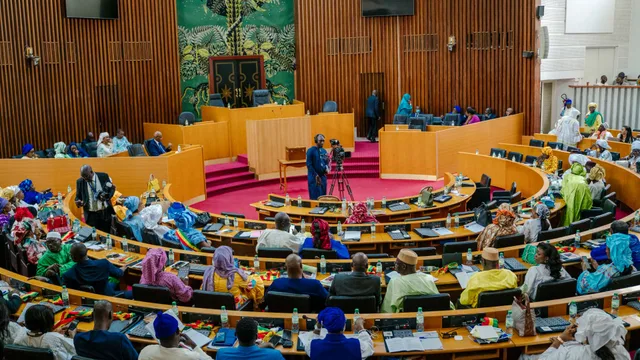
He was speaking at a sitting of the National People's Assembly (APN) devoted to answering deputies' questions on the bill, chaired by Assembly president Khalida Boufedeche and attended by Relations with Parliament Minister Nadjiba Djilali and other cabinet members.
The bill includes measures to encourage productive investment and support non-hydrocarbon sectors, notably start-ups, widening the tax base "without increasing tax rates", along with better collection and action against tax evasion. Major projects in mining, transport, industry, agriculture and agri-food are to be accelerated.
On purchasing power, the minister cited continued support for widely consumed essential goods and services, the rehabilitation of wholesale markets, tighter market controls and strategic stocks. Targeted subsidies depend on completing digitisation, he said.
Lebbou said public debt remains below the benchmark for emerging markets and that "99% of public debt is domestic, which gives us great autonomy in our economic decisions". The deficit is covered through resource mobilisation, domestic borrowing and the Revenue Regulation Fund, without external financing, with new tools such as sovereign sukuk.
He added that more than 800,000 real-estate registration operations are recorded each year, which led to raising the fee from 1% to 2.5%, and that the 11 recently created wilayas (provinces) received 152 billion dinars in commitment authorisations and 132 billion in payment credits.