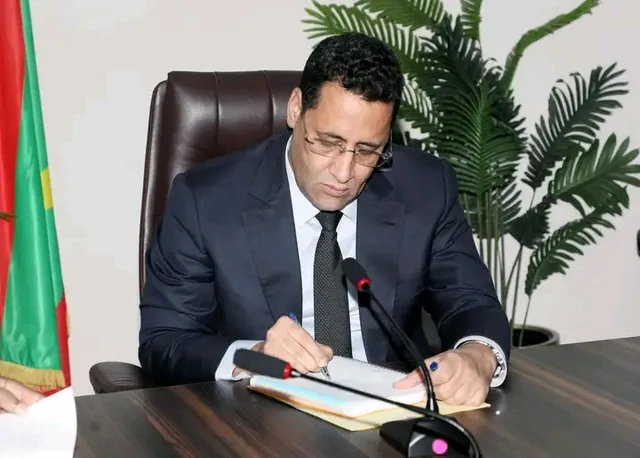
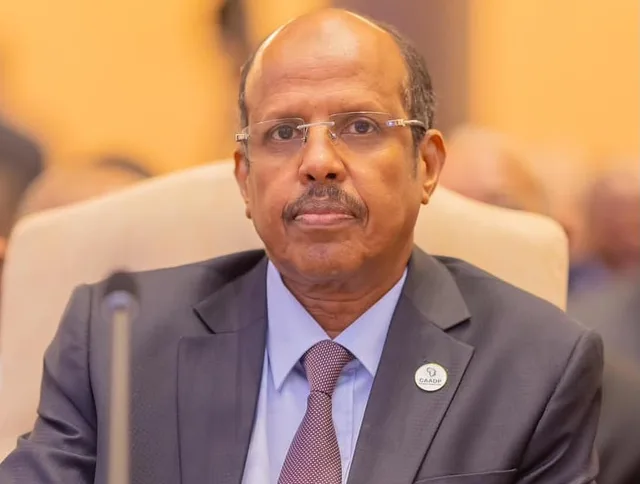
Madar (Accra) - Mauritania took part on Friday, 13 November 2026, in the 27th Extraordinary Session of the African Union Executive Council, held in the Ghanaian capital Accra and devoted to financing the Union, represented by its ambassador to Ethiopia, according to the Mauritanian News Agency (AMI).
According to the agency, the session discussed financing the African Union, strengthening its resources and supporting the Peace Fund, as well as a proposed strategic partnership between the AU and multilateral financial institutions on the continent. It heard the report of the AU High Representative for Financing the Union and the Peace Fund, and presentations by the chairman of the board of Afreximbank and the president of the African Development Bank Group.
Member states then discussed these items, made recommendations and adopted the Executive Council's draft decision on financing the African Union and the Peace Fund and strengthening the African financial architecture, the agency added.
Opening the session, African Union Commission Chairperson Mahmoud Ali Youssouf proposed reviewing the current ceiling on member states' statutory contributions and progressively expanding the implementation of the 0.2% levy on eligible imports as a predictable mechanism for mobilising domestic resources, according to an AU statement.
He also called, according to the statement, for considering a controlled annual use of the Peace Fund's capital to respond to emerging crises, together with an appropriate replenishment mechanism to safeguard its long-term sustainability.
He further proposed a "Pact for a More Effective and Results-Oriented African Union" for 2027-2029, based on mutual accountability: stronger and more equitable contributions by member states in return for institutional rationalisation, greater expenditure discipline and measurable results.
"Financing the African Union is not an end in itself; it is an investment in Africa's collective determination to realise Agenda 2063," the Commission chairperson said, adding that "African sovereignty must not merely be proclaimed; it must be built, organised and financed."
The statement noted that the Union still depends considerably on external financing to implement its programmes and peace and security activities, despite progress in mobilising domestic resources, amid multiple crises and declining availability of external financing.